
∞ Amatulli Problem Solving & Innovations

Solving the Unsolvable: Applying TRIZ to Environmental & Engineering Challenges

Natalia Amatulli
13 min read

Published: 6. March 2025

TRIZ in the armasuisse idea competition for environmentally friendly and safe recovery methods of ammunition from Swiss waters

I believe that cutting-edge and innovative problem-solving methods should first and foremost be directed toward addressing pressing global challenges and issues with social impact. That’s why, when I saw the announcement for the armasuisse competition, I immediately became enthusiastic about the opportunity to tackle this problem using TRIZ — a methodology in which I am a certified expert (Business-TRIZ Level 4).

You will find below:
Brief description of the problem
Right Problem to Solve
-
List of Solution Ideas
-
Mistakes, Challenges, and Takeaways
-
Invitation for collaboration
-
Tools I Used in Problem-Solving

In August 2024, armasuisse is launching an idea competition for environmentally friendly and safe methods of recovering ammunition from Swiss waters.


Brief description of the problem:

Bern, 7.8.2024 — The Federal Office for Defence Procurement armasuisse is seeking new procedures for the environmentally friendly and safe recovery of ammunition from Swiss waters by means of an idea competition.

Military ammunition was submerged in various Swiss lakes between 1918 and 1964. This involved problem ammunition, surplus or outdated service ammunition of the forces in perfect condition or even rejected batches from production. The bulk of the submerged ammunition lies in Lake Thun, Lake Brienz and Lake Lucerne at a water depth between 150 and 220 metres.

https://www.ar.admin.ch/en/nsb?id=102016

As an Innovative Problem Solver with Social Impact, I was immediately intrigued by this challenge and decided to participate. I am passionate about solving global, Eco-Human Challenges using the TRIZ methodology, which, until now, has been applied mostly to technical problems and has only recently begun to be used in business. This method allows for finding unexpected, simple, and cost-effective solutions to complex — and sometimes seemingly unsolvable — problems.


Looking ahead, I can say that solving the problem itself was interesting, but dealing with the surrounding processes was quite a struggle.


First of all, participation required a technical education, which I don’t have. So, I spent the first three months searching for a technical partner. Surprisingly, many engineers were intimidated by the complexity of the problem — even experts in technical TRIZ, which I never expected! Some declined, others made promises and disappeared, forgot, or simply gave up. The human factor at its finest.


The search dragged on, and by the time I finally found a technical partner, I had only one month left to develop a solution and another month for experiments and calculations. But I’m not someone who gives up easily, so I decided to push forward and try to come up with interesting solutions.


To keep things simple and not overload you with analysis and excessive details, I’ll jump straight to the list of ideas I came up with. If you’re interested, I’ll also share some details about the method afterward.


Unfortunately, I wasn’t able to fully refine and submit my ideas because my technical partner unfortunately dropped out at the final stage due to health issues. As a result, I couldn’t proceed with the technical validation, design project, and submission. In challenges like this, a big team is crucial — it’s incredibly rare to find a single person who combines expertise in innovation, engineering, biology, chemistry, and other relevant fields.


That said, I believe these ideas have potential and could be developed into technically feasible solutions. In the future, I would be thrilled to be part of a fully-fledged team tackling similar problems.


If you have a technical background, you’re welcome to laugh if anything sounds silly to you. However, I encourage you to explore and refine these ideas using your technical expertise — who knows, they might lead to something valuable!

(Thanks to my technical partner, who helped me maintain confidence in myself and not to feel too much clueless in this field.)

List of Solution Ideas


Since I had only one month to develop a solution instead of the planned five, I focused primarily on the first issue — water contamination caused by sediment disturbance. The key question was: How can the recovery process be made environmentally friendly?


It’s important to note that some ideas may seem far-fetched at first glance. However, this is intentional — to break free from psychological inertia, set a direction of thought, and then develop the concept into a feasible, real-world solution. This is the role of an engineer or hydrobiologist — or ideally, a team of experts, which I unfortunately didn’t have this time.


1. The obvious solution: Sediment Curtains and Turbidity Shields with Suction Systems (Reference industries: Underwater Archaeology, Underwater Construction, Deep-Sea Mining, Nuclear Decommissioning, and Hazardous Waste Management — Containment tents and negative air pressure units).

2. Pre-binding sediment particles to prevent them from rising. Use biological stabilization — for example, temporarily forming small clumps of silt by increasing its weight without interfering with the recovery process. This could be achieved by introducing a liquid that increases the viscosity of the sediment.


3. During excavation, disperse dense, soluble pellets — such as ice, sticky gelatin, etc. — to contain the spread of sediment. These materials would then dissolve naturally in the water.


4. Inject water-soluble or bio-soluble gel into the excavation site during the digging process to prevent sediment dispersion.


5. Cover the area with an eco-friendly bio-slime or a heavy, jelly-like mass to hold the sediment in place before excavation:

6. Anti-Quicksand Effect: Modify the sediment so that it slowly pushes objects upward on its own. Create internal displacement — for example, introduce pellets into the sediment that expand upon contact with water, loosening the silt and lifting the ammunition to the surface, where it can then be easily collected. At 200 meters depth, the pressure is about 20 MPa, so this could be achieved using materials capable of absorbing water and increasing in volume, such as hydrophilic materials, hydrogels, or superabsorbents, potentially utilizing the principle of osmosis.


7. Spread sand or gravel before excavation to stabilize the sediment. We need to consult environmental experts to assess the potential impact on local fauna.


8. SAFE AND LOW-COST RECOVERY: Plant aquatic vegetation on the lakebed that, as it grows, would gradually lift objects. Alternatively, the plants could entwine the objects with their roots, making it possible to pull them out along with the vegetation. (I couldn’t find any freshwater plants that grow at such depths, so this would require consultation with a hydrobiologist. It may also be possible to create artificial “aquatic plants” with similar properties.)


9. SAFE AND LOW-COST RECOVERY: Enclose each ammunition piece in a lightweight cocoon that will naturally bring it to the surface. For example, filling the surrounding area with construction foam could provide buoyancy. This would require eco-friendly polyurethane foams — those with reduced isocyanate content and other harmful substances, or biodegradable polymers.


10. SAFE AND LOW-COST RECOVERY: Neutralize detonators remotely by using a field-based method to disable them. (This would require consultation with a physicist and an explosives expert.) ChatGPT suggested freezing them, but this is an energy-intensive process and would require precise, localized freezing to avoid harming aquatic life. I believe this challenge could also be tackled using TRIZ methodology.


11. Since sediment layers continue to build up each year, reducing the risk of explosions and toxin release, an alternative approach would be to bury the ammunition deeper instead of extracting it. This could be done by covering it with an additional protective natural layer.


12. GENTLE GRASPING: Develop a gripping mechanism inspired by octopus tentacles — a soft, yet firm and adaptable grip that can securely hold objects of any size. The design should include sharp tips capable of penetrating deep into the sediment for effective retrieval.


Below, I list some additional ideas we explored. Some were even tested in a lab by my technical partner but were ruled out due to low effectiveness.


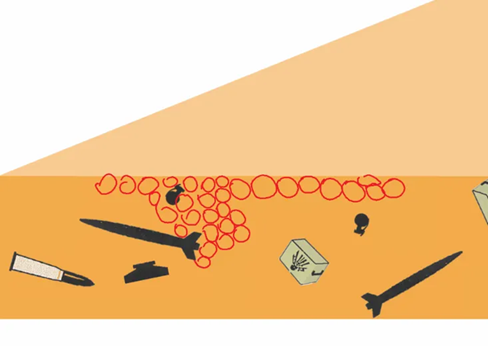
13. Reducing water density with injected air. However, experiments showed that this actually increased sediment dispersion rather than containing it:

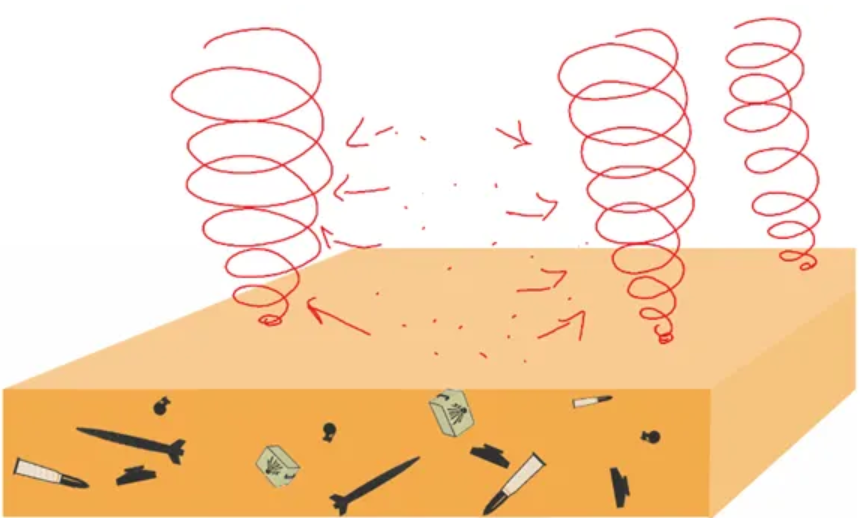
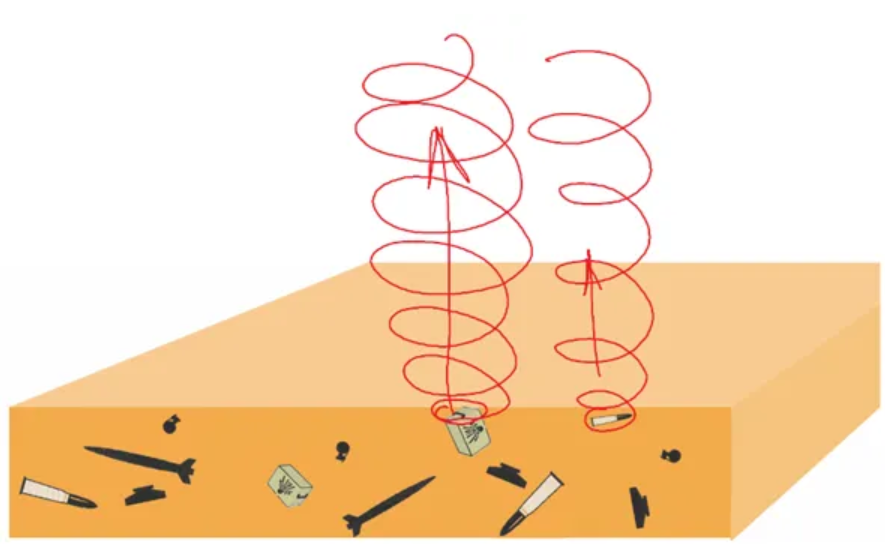
14. Creating vortex funnels that use swirling currents to collect sediment particles. However, tests showed that this approach was too energy-intensive:

15. Compressing sediment using ultrasound. This was tested in the lab, but the sediment settled too slowly, required a lot of power, and was harmful to fish.


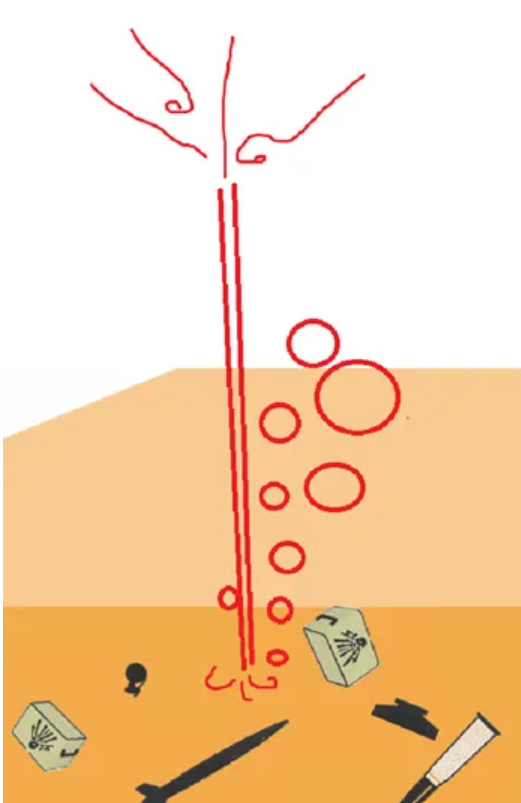
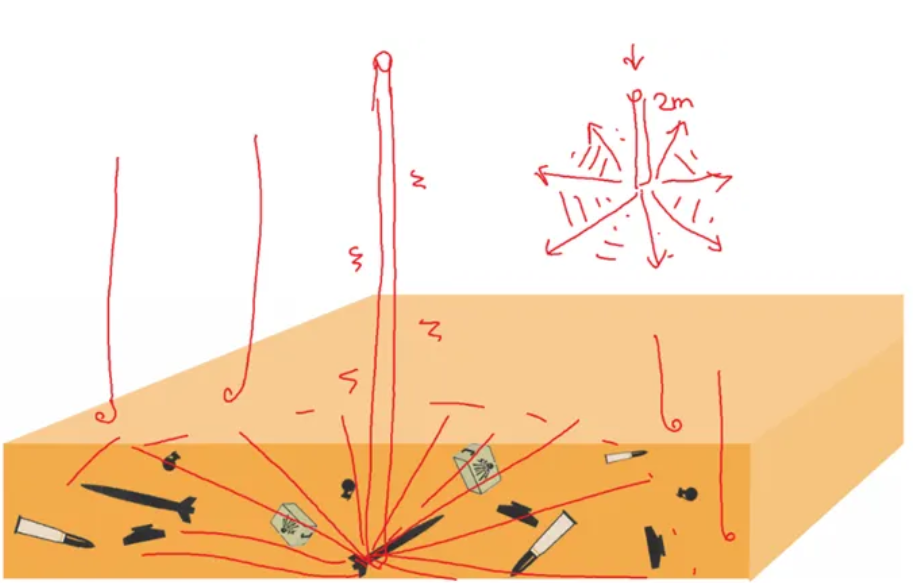
16. Creating controlled vortices with a void in the center for excavation. However, at such depths, this approach proved too complex to implement:

17. Develop biomimetic robots that clean the water by mimicking the filtering mechanisms of jellyfish and crustaceans, releasing them during excavation to capture sediment particles. However, this would be an expensive solution to develop.


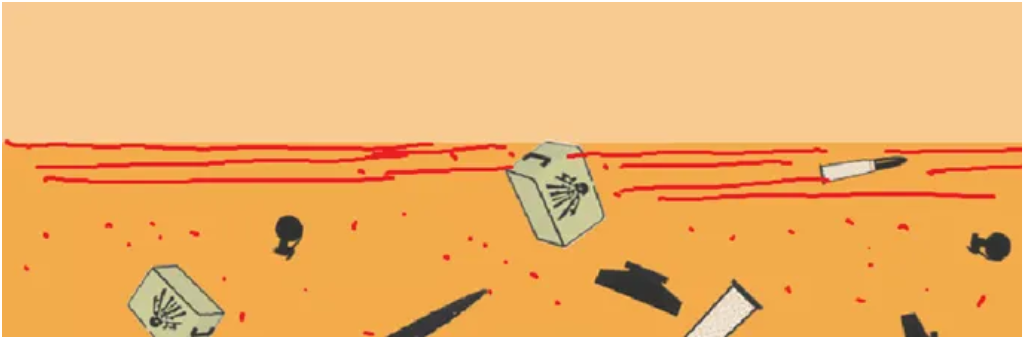
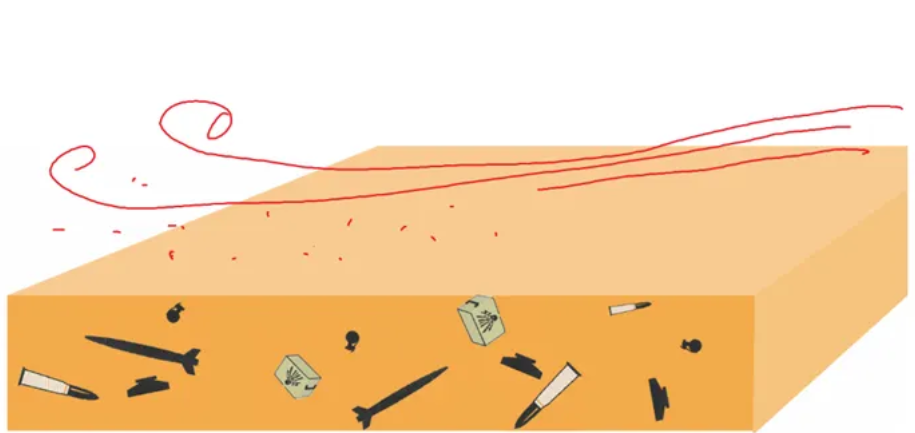
18. Excavate during periods of strong natural currents (or create artificial currents) so that the sediment is carried away immediately. This approach would require consultation with hydrobiologists:

19. Create an air cushion under a specialized dome to allow excavation in air rather than water, preventing sediment from dispersing.


20. SAFE AND LOW-COST RECOVERY: The concept: each ammunition piece should be enclosed in a capsule or bag, similar to a nested doll (matryoshka principle), allowing it to be lifted from the sediment like a buoy. However, these ideas did not pass ChatGPT validation.


21. DETECTION PRINCIPLE — FORMING AIR BUBBLES ONLY AROUND METALLIC OBJECTS. Under what conditions could gases be naturally released around metal objects buried in sediment?


22. Automated excavation systems. Unearth ammunition using intermittent pushes and vibrations with pauses. Slow lifting: A controlled ascent speed of 1–2 cm/sec could prevent sediment disturbance. Example: Insert tubes with internal spikes into the lakebed, which open up beneath the sediment like an umbrella with a monofilament net and slowly lift the contents:

23. A rotating, slow-rolling cage that is submerged into the lakebed and collecting the objects:
24. Layered ammunition retrieval with sediment containment. Multi-level mesh structures with varying mesh sizes and slots for ammunition, similar to scaffolding in construction.


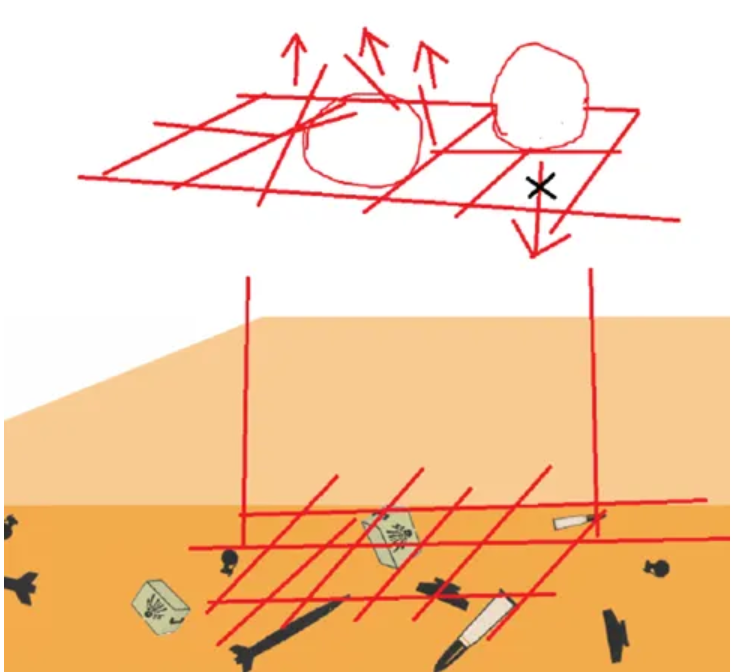
25. A slow-rising, large sieve with one-way opening segments. The sieve first sinks through the sediment, passing around the ammunition. Once lifted, the one-way flexibility ensures that objects are held in place, as the segments can open upwards but not downwards:

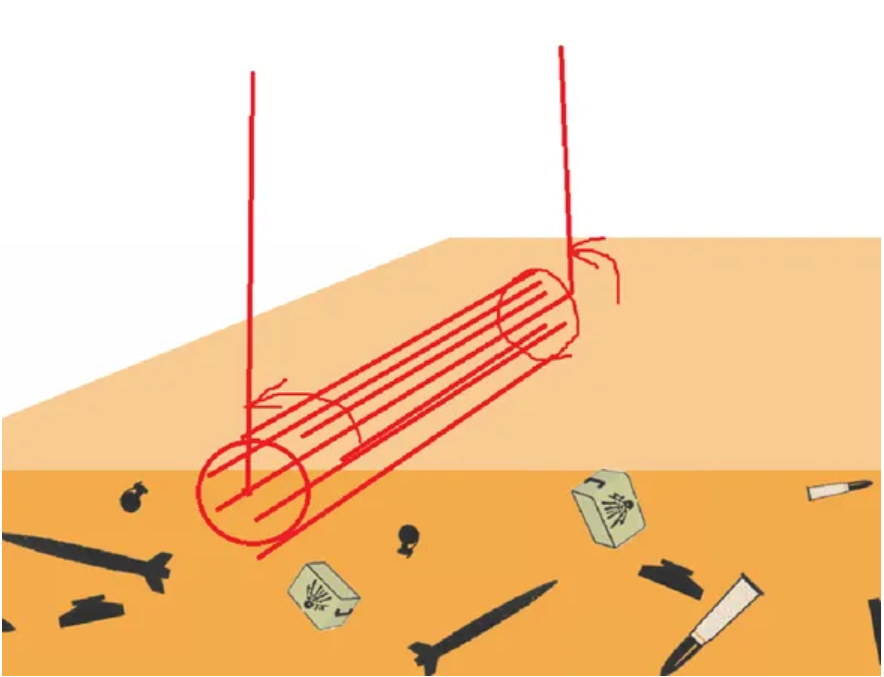
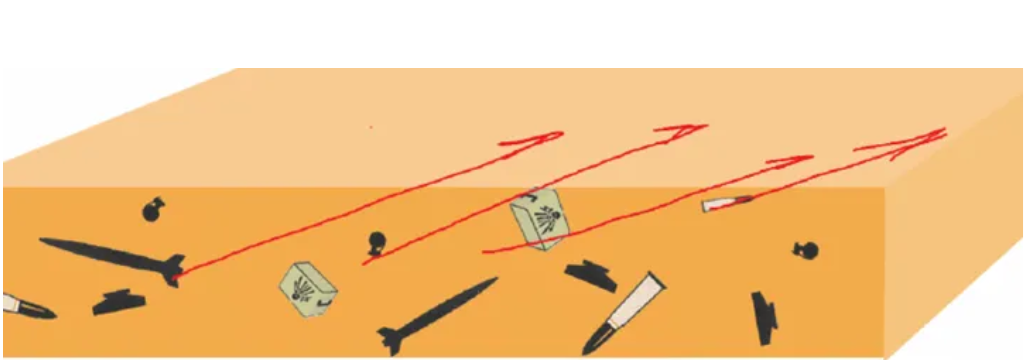
26. Extract ammunition at an angle, inspired by directional drilling techniques. Similar to inclined and horizontal drilling, which is used to install pipelines under water bodies with minimal disturbance to the seabed, thereby preventing sediment from being stirred up:

Mistakes, Challenges, and Takeaways


1. Late entry into the project.

My greatest strength is creativity and idea generation, but my biggest weakness is the lack of a dedicated team. Projects like this require a team of specialists from the start to ensure high-quality solutions. Time constraints prevented us from fully addressing the problem from all angles, forcing to focus on a single specific issue. The main challenge was a lack of relevant networking — my background is more in marketing and business, rather than technical fields. When I needed a consultation with a biologist or hydrologist, I couldn’t find one quickly.

I am still looking for my team and would love to join a strong group of specialists to work together on innovative solutions.


2. The people I tried to collaborate with at the beginning were not as motivated as I was.

As a result, they did not fully engage in the project, postponed tasks, and lacked commitment. Again, this highlights the importance of a strong, reliable team. I am actively working on solving this issue.


3. Language barrier among collaborators.

The people I worked with did not know German, so I had to read all technical documents in German myself and translate them into English (using AI of course), but then check for errors (these were a lot), and summarize key points. It would have been far more efficient if a technical specialist could read the original technical text directly. As a non-technical person, this process was quite challenging for me.


4. Difficulties in researching patents and technologies.

Since I lack a technical background, it was challenging to find and analyze the right relevant patents. I had expected this part of the work to be handled by a technical specialist. My partner had no time for this unfortunately. I still haven’t reviewed all the patents I found.


Invitation for collaboration


If you’re interested in working with me and are a reliable person, here are my areas of interest:

  • Innovative problem-solving with social impact (Social TRIZ)
  • Marketing for businesses with social impact (Marketing TRIZ)
  • Startups with social impact (Startup TRIZ)

These projects align with my interests and expertise, which include social impact, marketing, product management, TRIZ, and startup launches.

Tools I Used in Problem-Solving


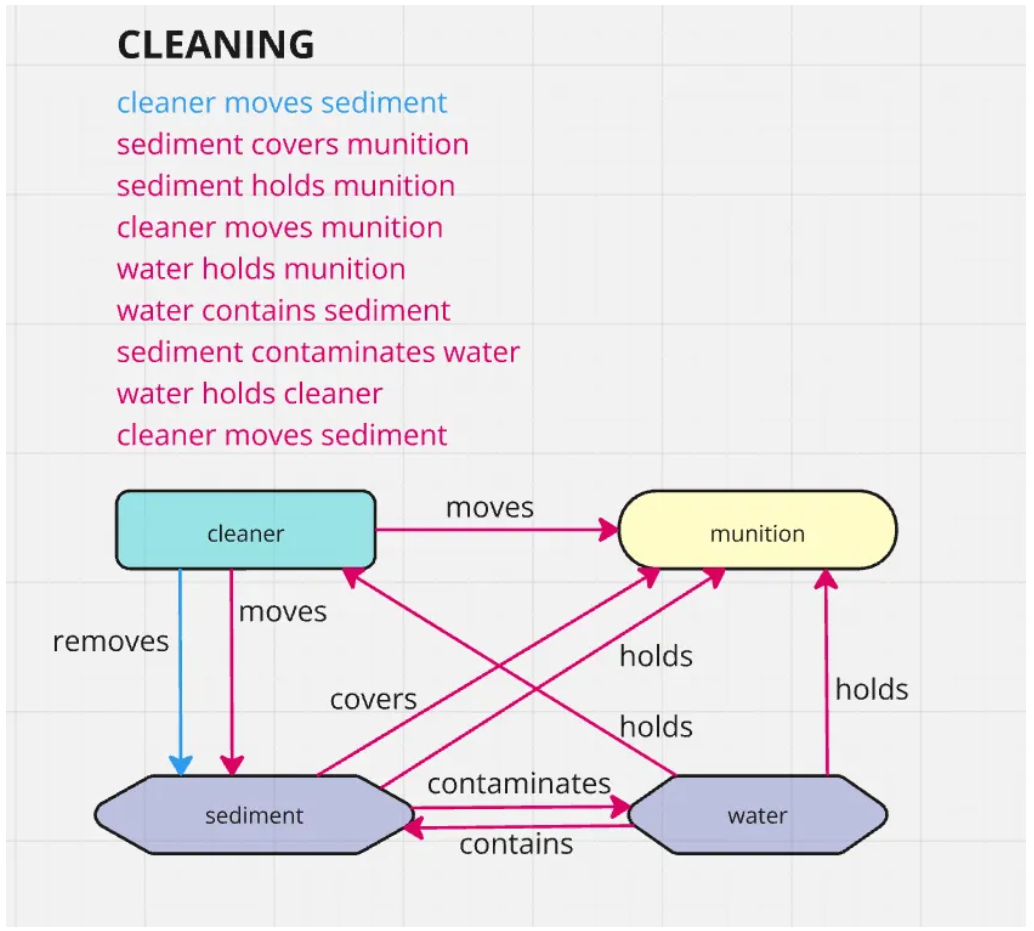
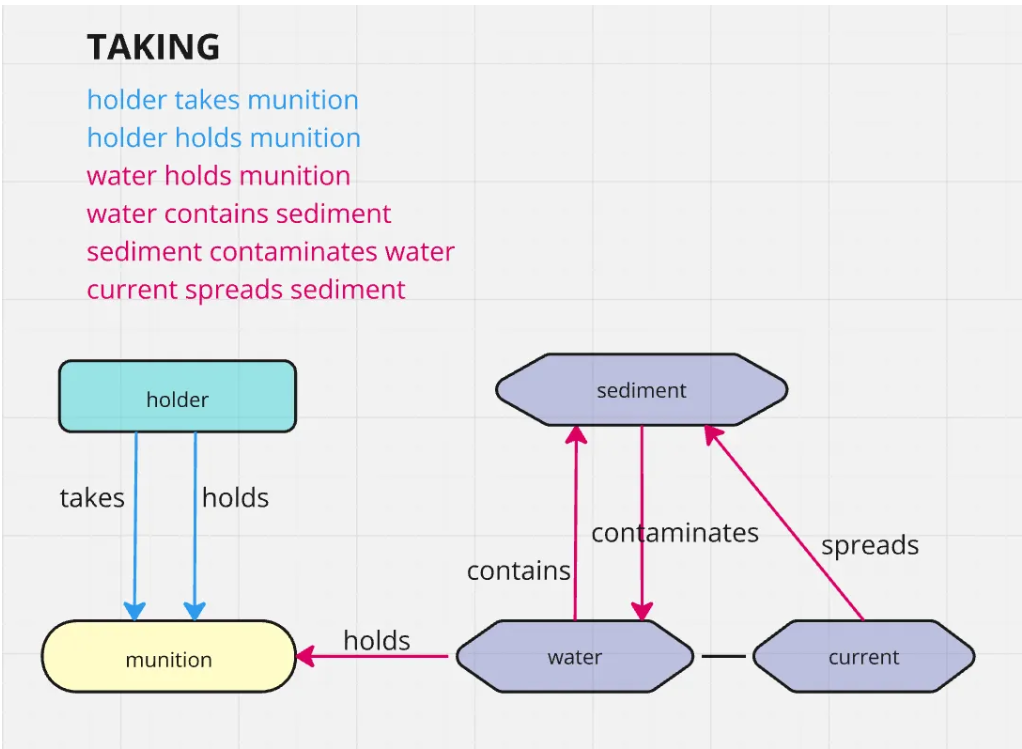
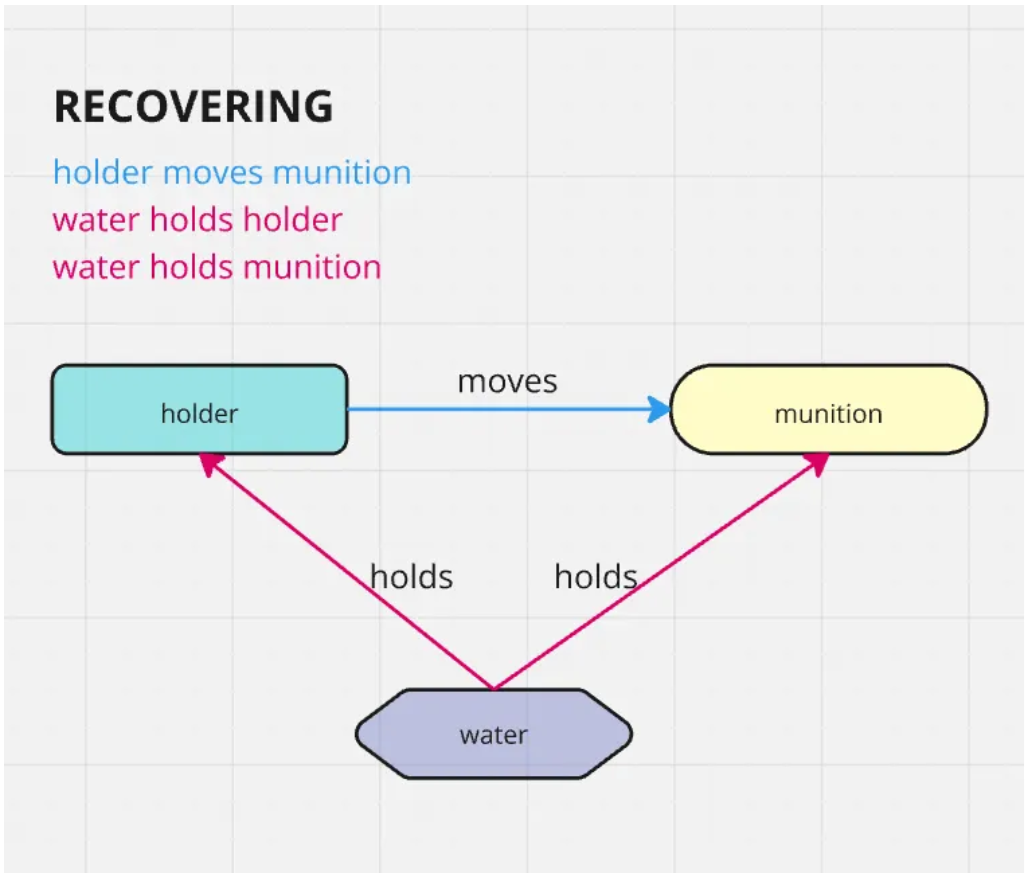
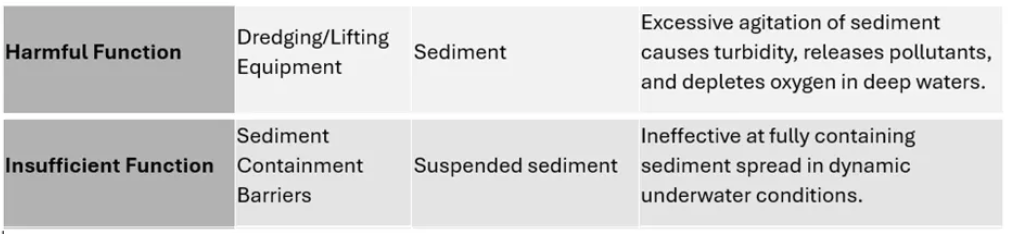
I initially planned to make a full CECA (Cause-Effect Chain Analysis), but this required in-depth technical knowledge, and my technical specialist was unavailable for this work. As a result, I had to independently perform at least a basic FA (Function Analysis).


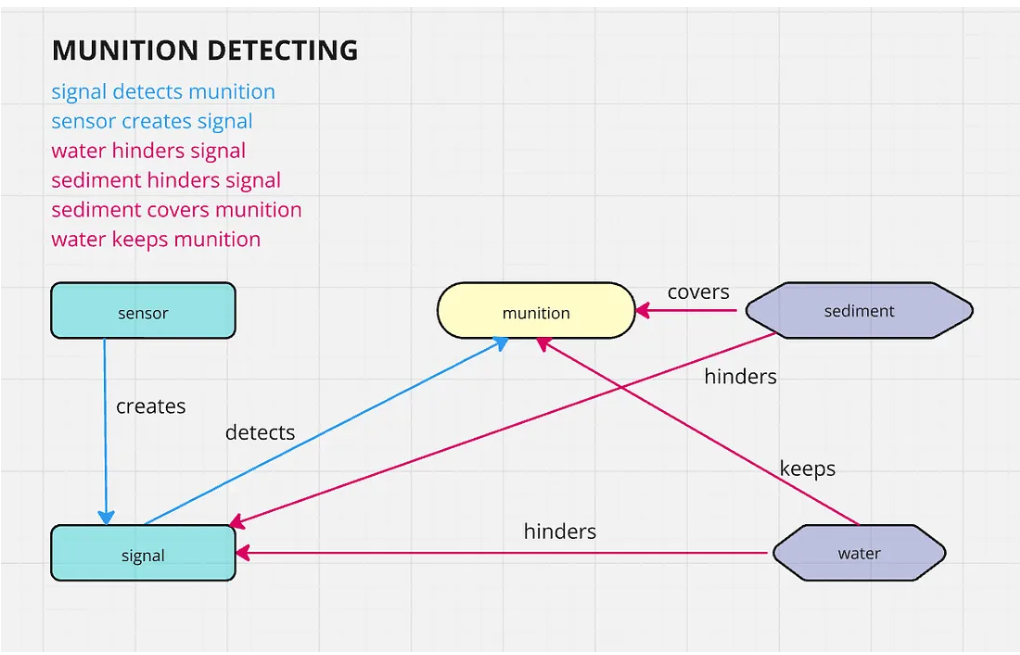
  1. Function Analysis:

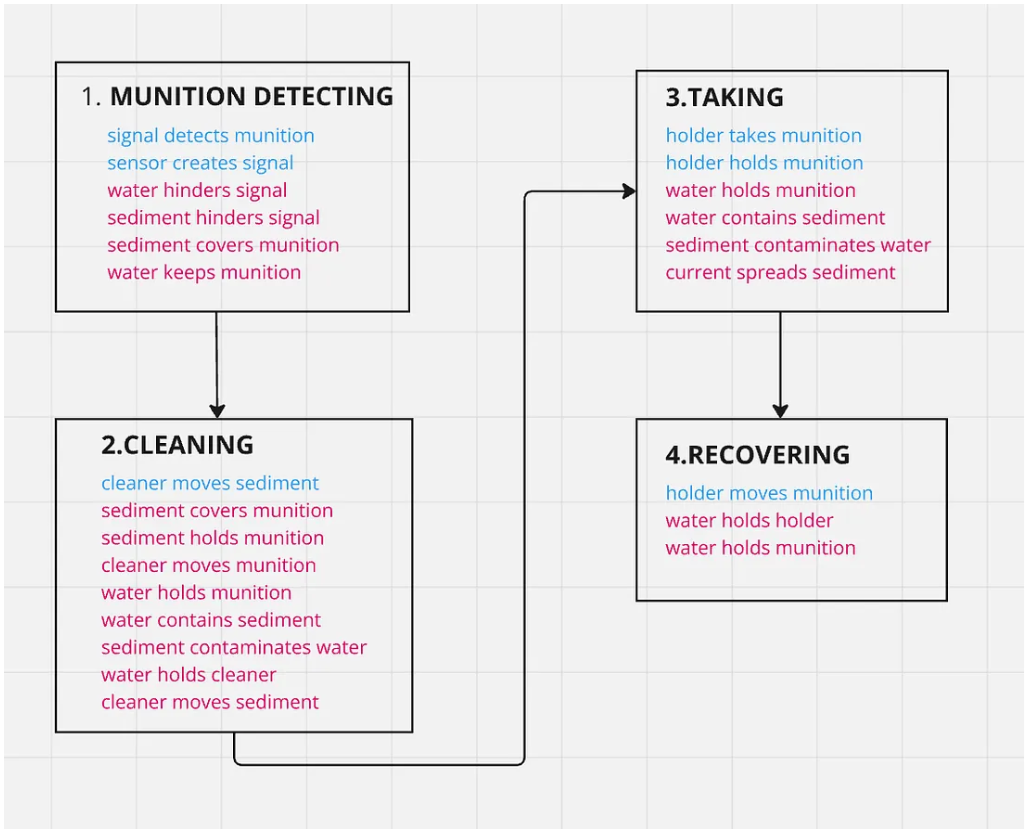
Operation analysis:

2. I also experimented with using GPT Mega Prompt: Basic Problem Solving by Tanasak Pheunghua for a general Function Analysis (FA) and Root Cause Analysis (RCA). The bot was helpful in clarifying the problem and fuctions and gave me 30 pages of analysis.

I used as well:


3. Standard inventive solutions (SIS)


4. 40 Inventive Principles


5. Paradox Method


6. Property-Resource Method (being developed by me)


7. FOS (Function Oriented Search):

FOS: Here as the specific function to improve, I selected “contains sediment.”
The generalized function = “stop particles.”

I explored solutions in the most relevant conditions for the problem, as well as in dry (non-aquatic) environments — however, all ideas from the latter were dismissed by the technical specialist.

The Leading Areas:

  • Underwater Archaeology (not crucial function)
  • Underwater Construction (partly crucial function)
  • Deep-Sea Mining (partly crucial function)
  • Nuclear Decommissioning and Hazardous Waste Management (Containment tents and negative air pressure units) (crucial function)

Existing Solutions in Various Fields:

• Deep-Water Sediment Traps for Underwater Archaeology (membrane barriers or precision sediment containment nets + Hydrodynamic control units)
• Airlift Excavation for Underwater Archaeology
• Biological Sampling with Soft Suction Devices
• Underwater Construction Barriers with Silt Curtains
• Robotic Deep-Water Vacuum Systems
• Freshwater Pearl Harvesting Using Sediment Nets
• Block Lifting with Metal Frames
• Lightweight Underwater Robots — Lightweight underwater robot developed for archaeological surveys and excavations | ROBOMECH Journal
• Underwater Mining: (Seafloor Hydraulic Dredging with Sediment Curtains, Remotely Operated Vehicles (ROVs) with Suction Systems, Airlift Mining Systems with Containment Units, Cutter Suction Dredgers (CSDs) with Turbidity Shields, Seafloor Mining Tools with Suction and Settlement Tanks, Deep-Sea Mining Riser Systems with Sediment Return, Jet Suction Dredgers with Fine Particle Containment Systems, Environmental Management and Real-Time Monitoring)
- Sediment Curtains and Turbidity Shields
- Geotextile Silt Barriers
- Low-Pressure Suction and Onboard Filtering
- Airlift Systems with Containment Units
- Closed Loop Sediment Return Systems
- Real-Time Monitoring and Adaptive Controls

I think some solutions can be found in these areas as well.

#Social_Impact #Innovation #Triz #Tech _For _Good #Engineering

STAY COMPETITIVE USING SMART WAYS!

Contact for a free 30 minutes zoom call 
to define the potential of an idea or the right problem/goal

FOLLOW

LOCATION

Lugano, Switzerland

PHONE

+41 XX XXX XX XX

EMAIL

amatullinatalia@gmail.com

FOR ANY INFORMATION CONTACT